
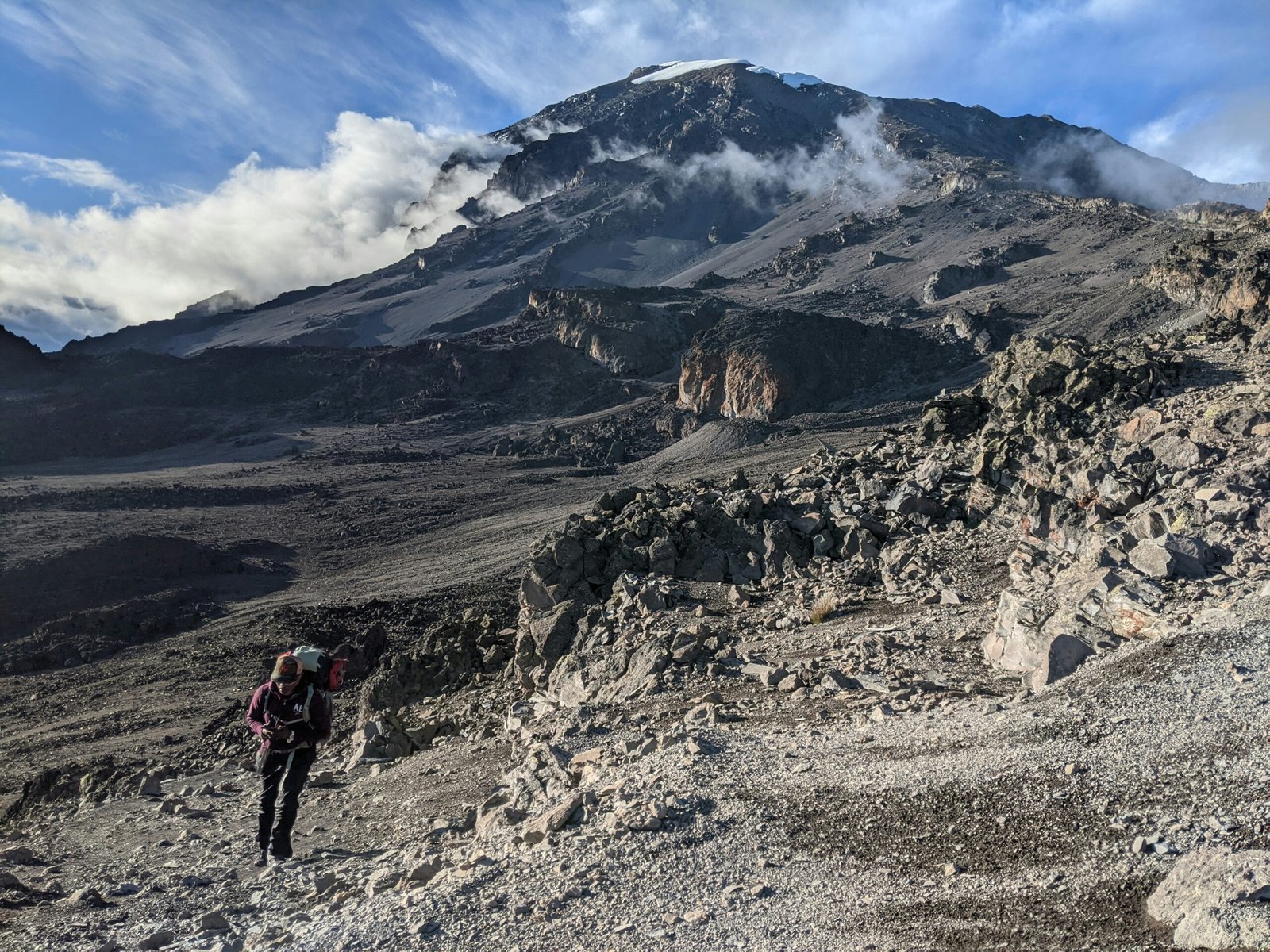
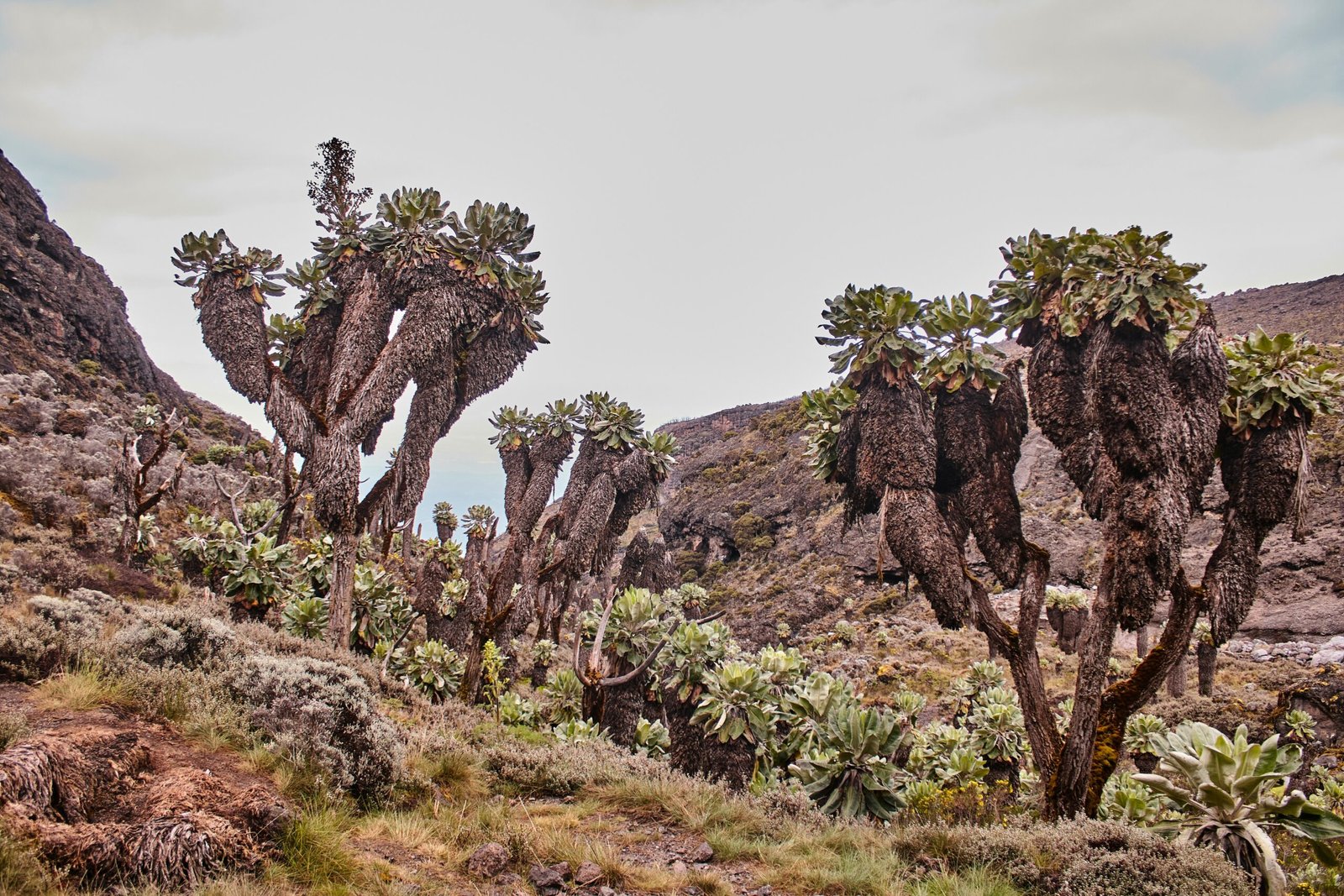
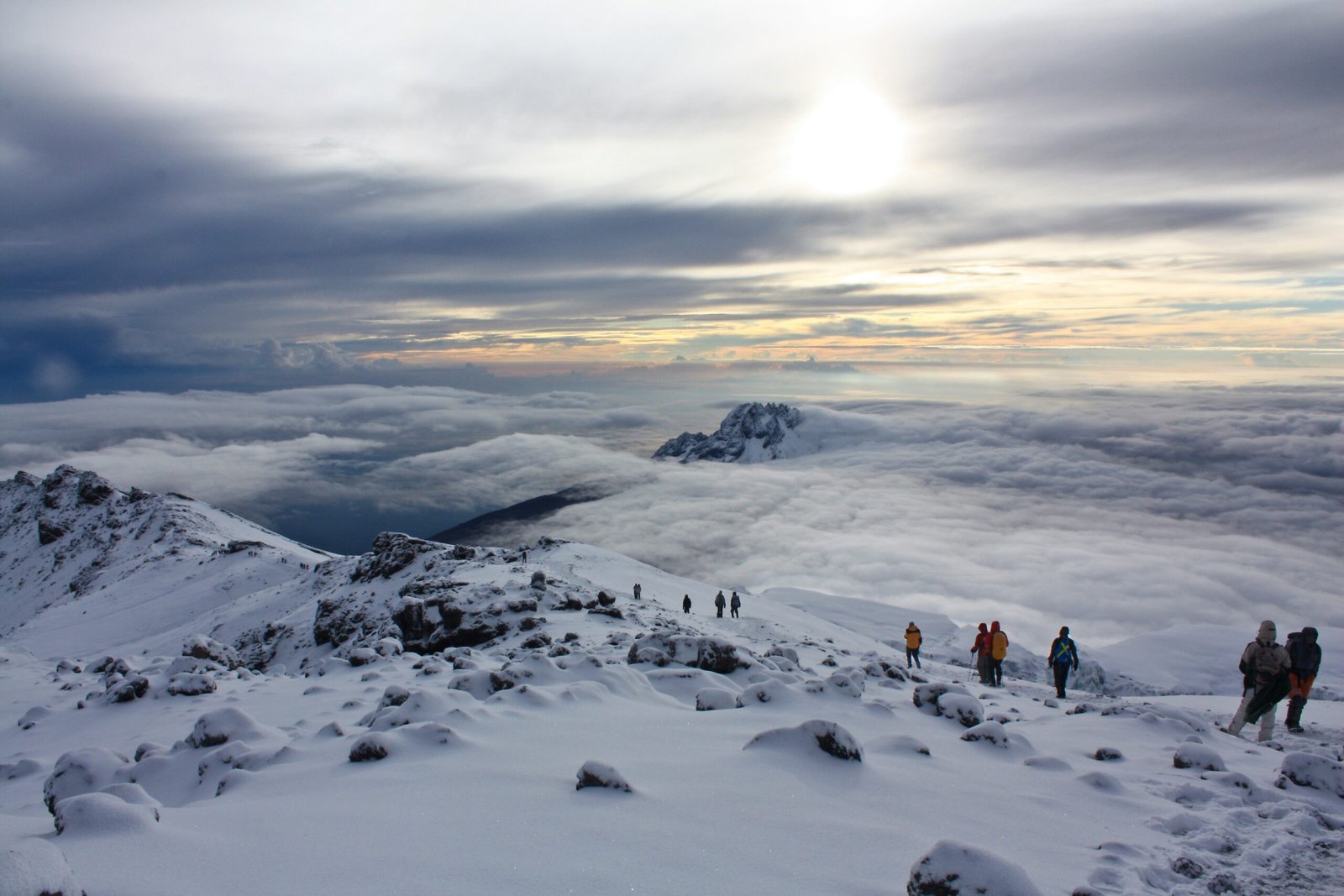
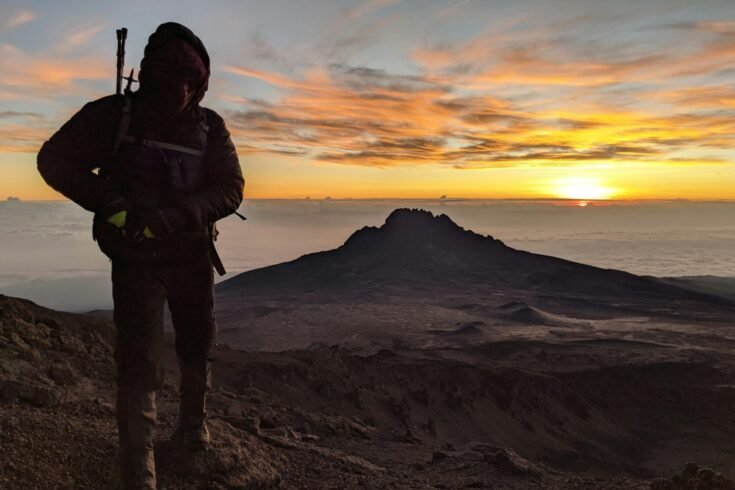
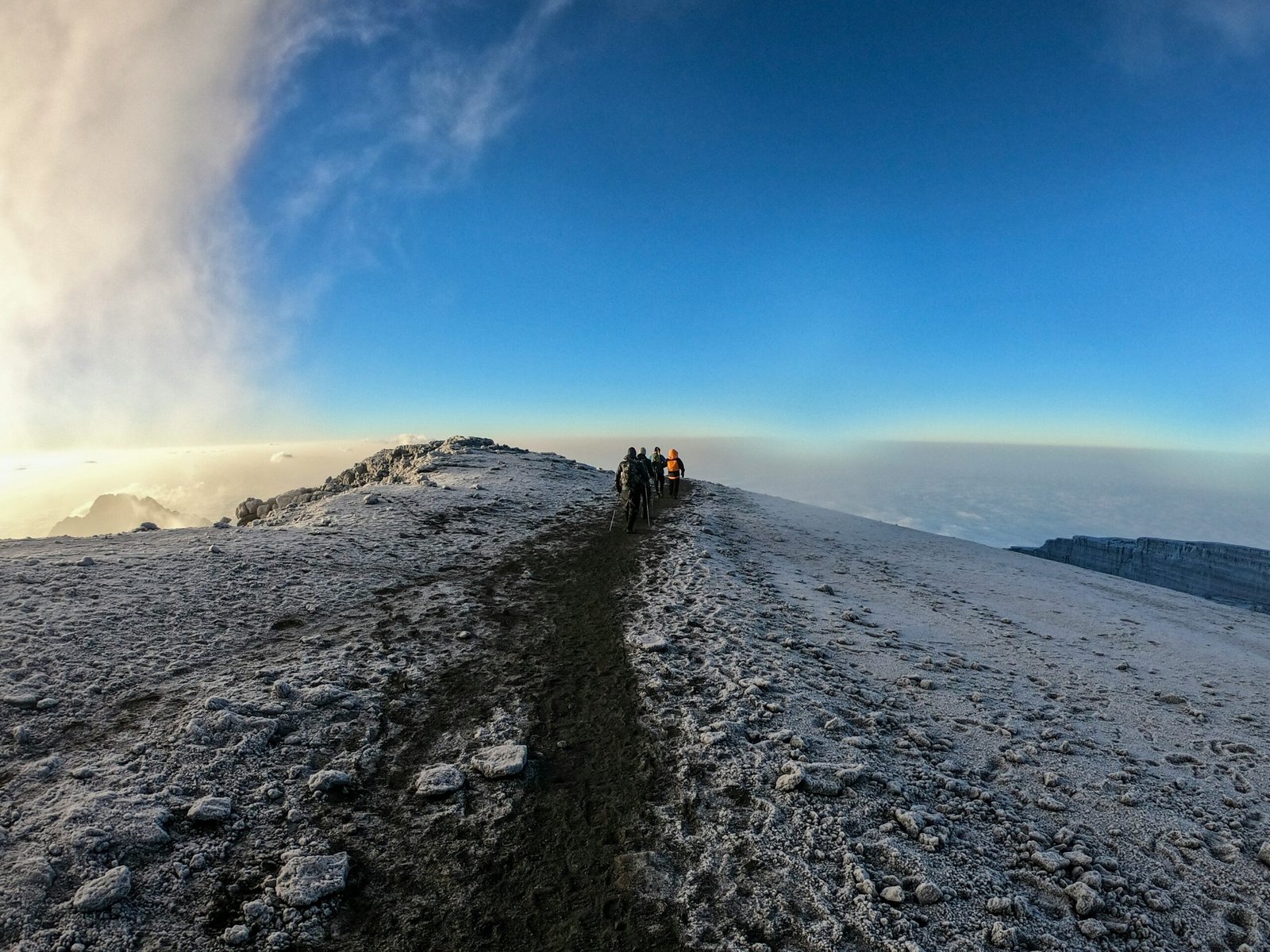
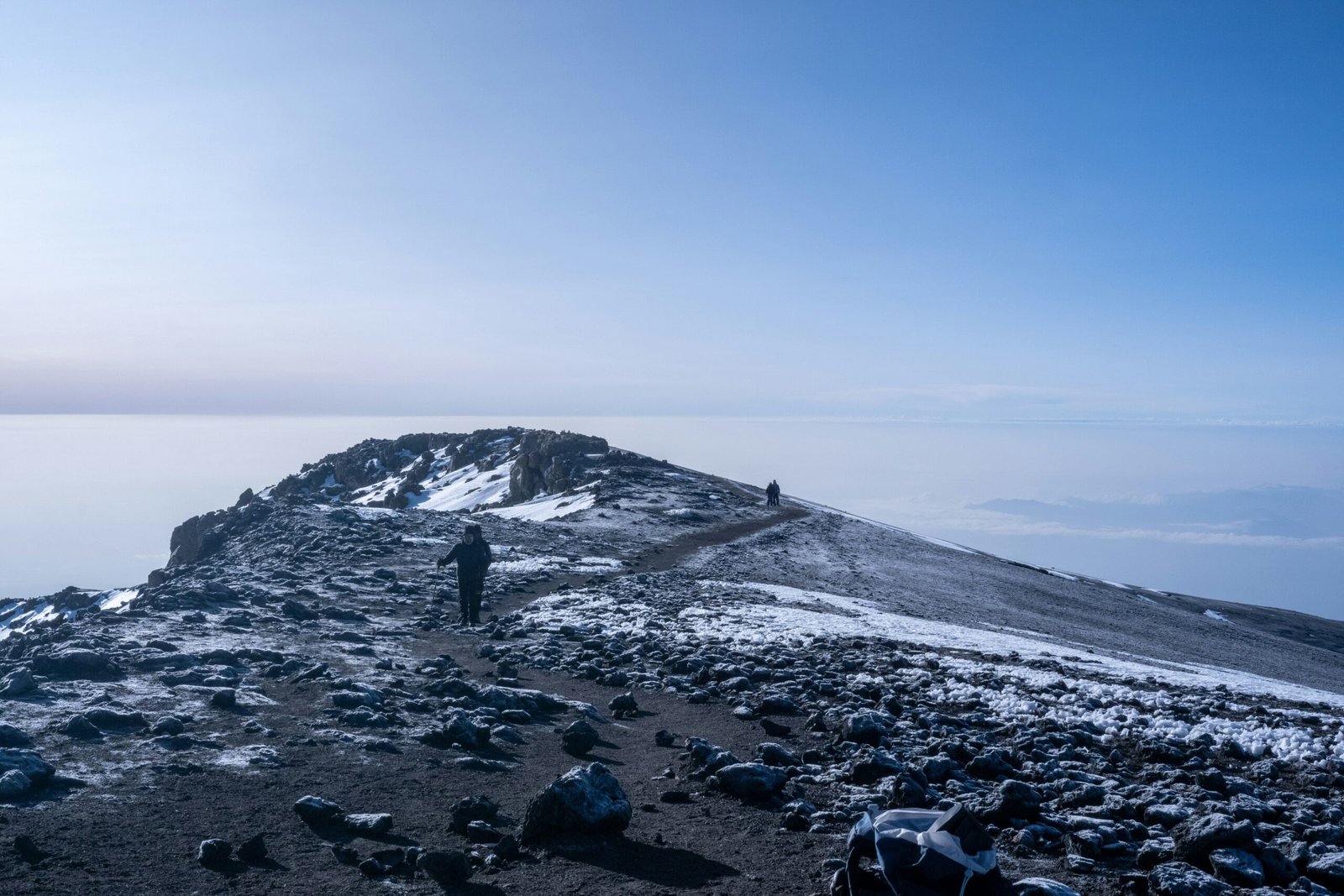
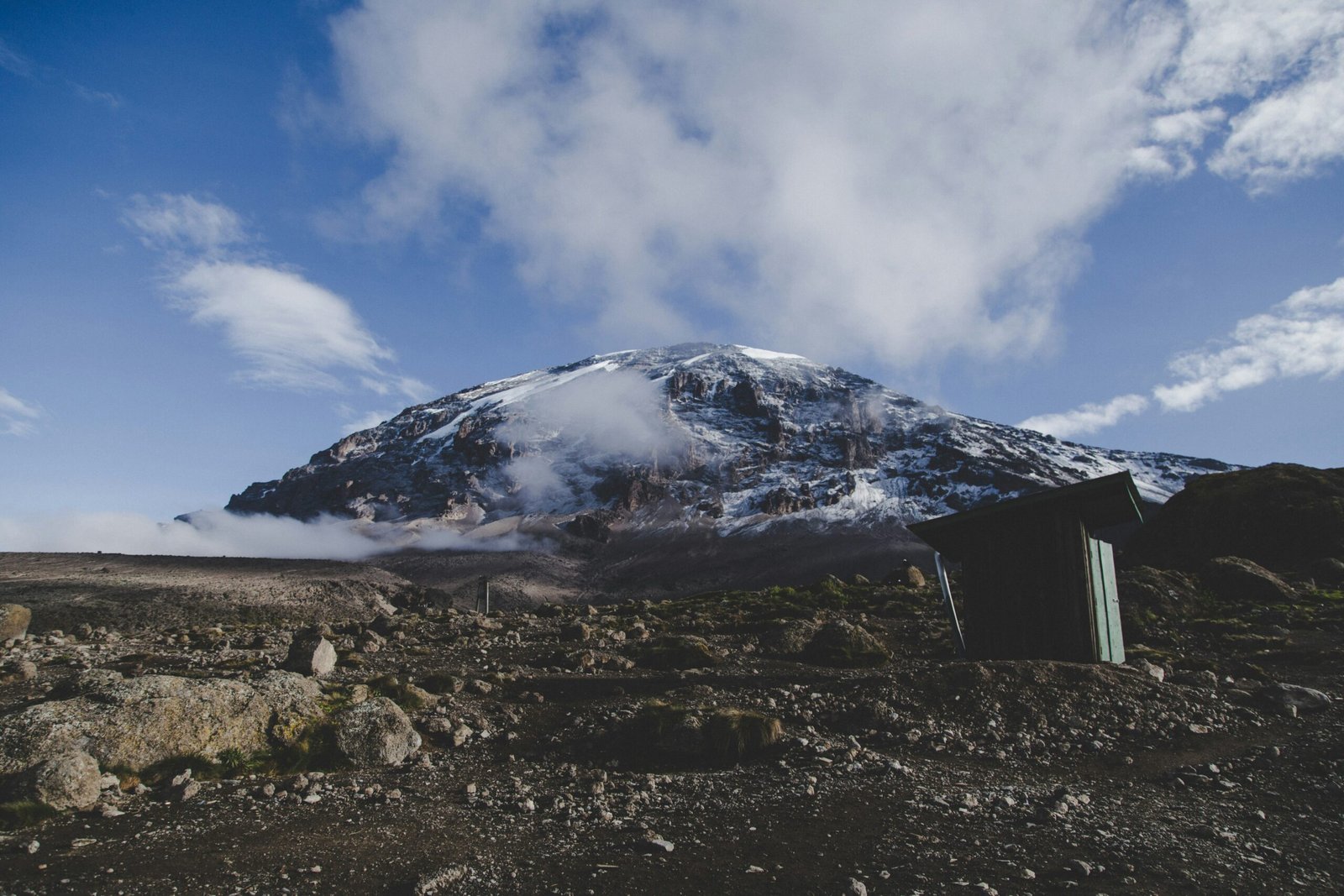
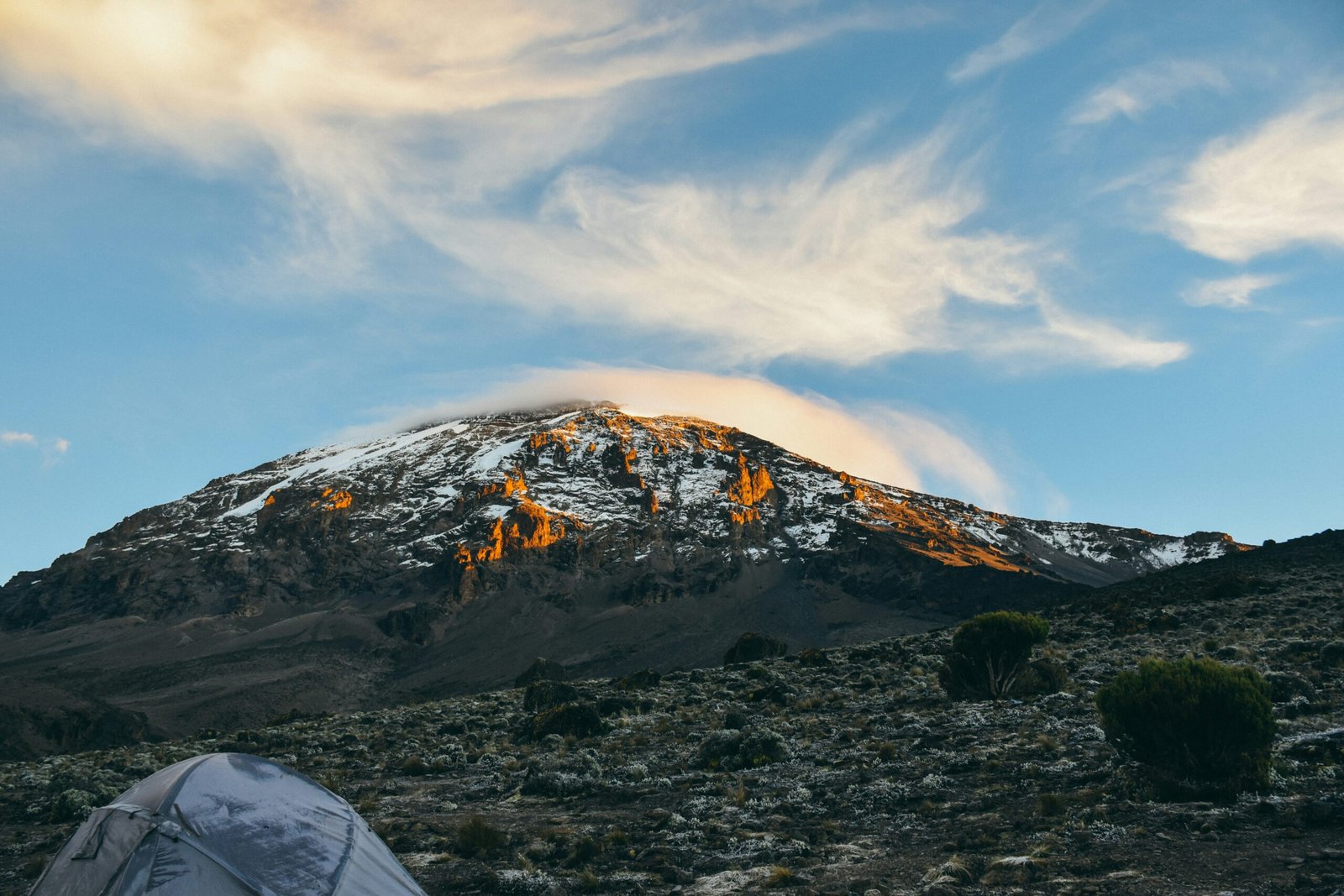
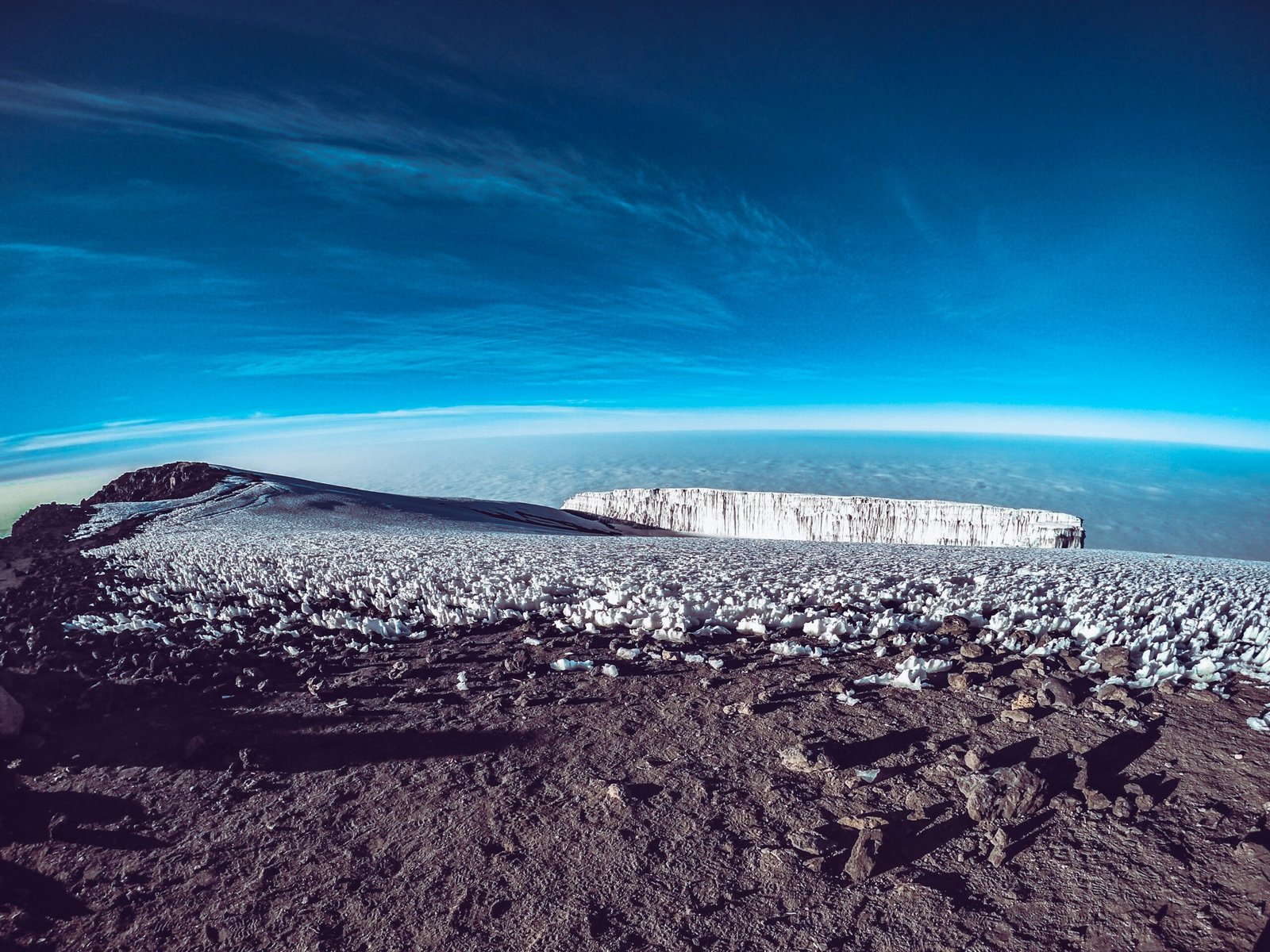
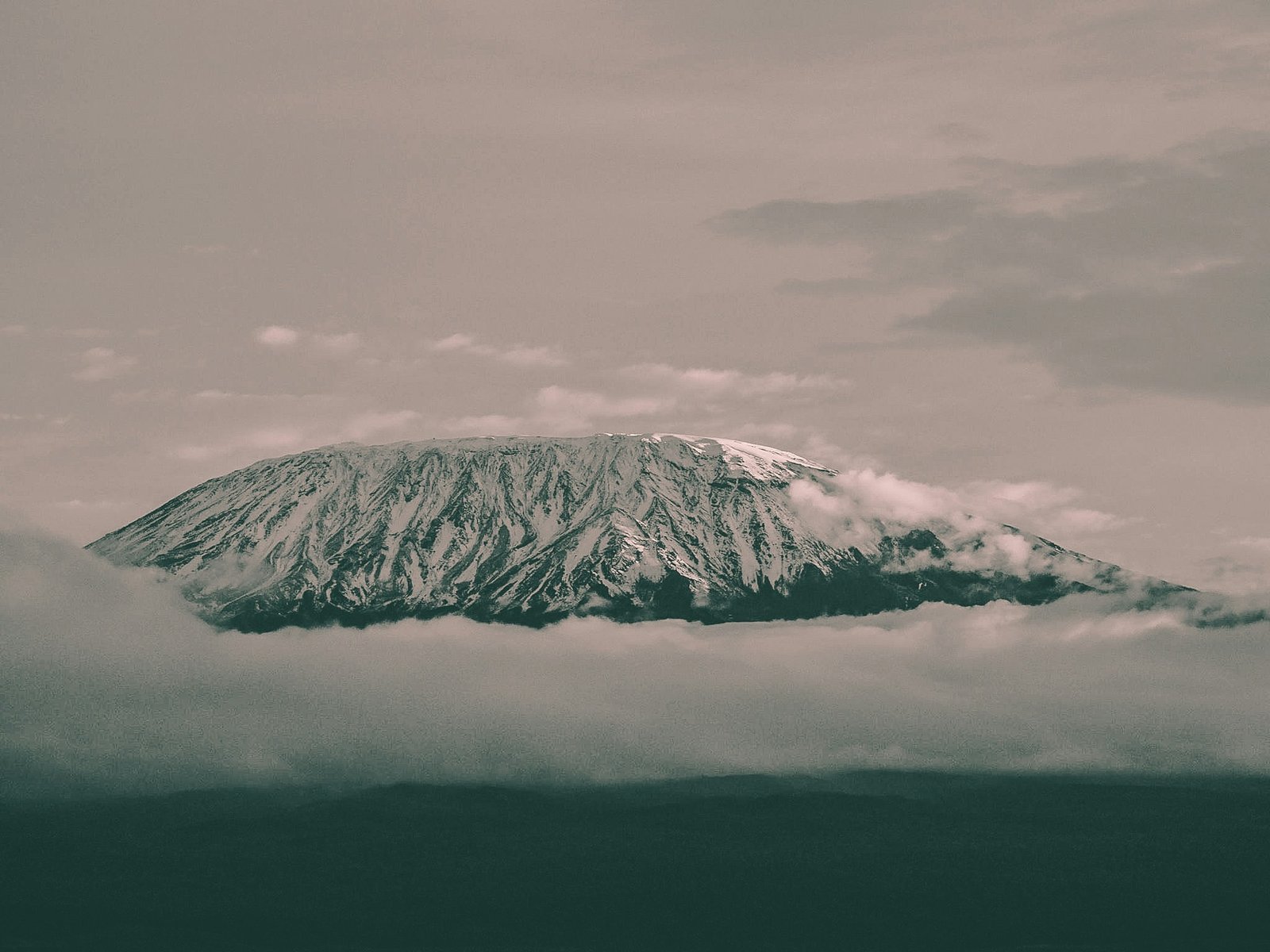
The Lemosho-Shira Route begins on Kilimanjaro’s western slopes.
At first, it follows a path similar to the classic Lemosho Route.
However, this variation starts at a noticeably higher altitude.
On the first trekking day, climbers ascend directly to Lemosho’s second camp.
After this initial climb, the trail joins the standard Lemosho Route.
Because of this, the access section becomes shorter and more direct.
Meanwhile, the scenic western traverse remains completely intact.
As a result, trekkers still enjoy wide views and open landscapes.
In addition, the western approach feels quiet and remote.
For this reason, many trekkers prefer this route over busier options.
Once merged with the main trail, the pace becomes more gradual.
Consequently, acclimatization improves despite the higher starting point.
Throughout the climb, volcanic plateaus and broad valleys dominate the scenery.
Over time, the environment shifts toward alpine terrain.
Eventually, the summit push feels both challenging and rewarding.
Overall, the Lemosho-Shira Route offers efficiency, solitude, and classic Kilimanjaro scenery.
Tour Overview
Duration: 9 days total (8-day trek + departure day)
Route: Lemosho-Shira → Northern Circuit → Summit via School Hut
Start Elevation: ~3,500 m (high-altitude start)
Highest Point: Uhuru Peak (5,895 m)
Difficulty: Moderate to demanding (good fitness recommended)
Best For: Climbers seeking a scenic, less crowded route with strong acclimatization and high summit potential.
Tour Highlights
- Remote western approach
- Excellent acclimatization profile
- Diverse landscapes: rainforest to alpine desert
- High summit success rates
- Panoramic northern views toward Kenya
- Quiet trails & wilderness feel
Tour Itinerary
Upon arrival at Kilimanjaro International Airport, you’ll be greeted by your Tanzania Specialist guide and transferred to your hotel. Take the remainder of the day to unwind and recover from your flight.
Later, you’ll meet your mountain guide for a full briefing ahead of the climb. They’ll walk you through the route, offer practical packing and gear advice, and answer any final questions to ensure you’re well-prepared for the adventure ahead.
Accommodation: Panama Garden Resort Tanzania
Meals: Dinner
Activities: Climb briefing & gear check
Transfers: Airport → hotel
Drop-off (3,500 m / 11,483 ft) → Shira 2 Camp (3,890 m / 12,762 ft)
In the morning, your guide picks you up for a scenic 4-hour drive to the Londorossi Gate on the western side of Kilimanjaro. The journey takes you through lush tropical rainforest before reaching the high-altitude drop-off point at 3,500 meters. From here, the vast Shira Plateau opens before you, offering your first breathtaking views of Kilimanjaro’s volcanic landscape. The gentle hike to Shira 2 Camp allows time to settle into the altitude and take in the unique terrain.
Accommodation: Shira 2 Camp
Meals: Breakfast, lunch, dinner
Activities: High-altitude trek across Shira Plateau
Duration: 2–3 hours of hiking
Shira 2 Camp (3,890 m / 12,762 ft) → Lava Tower (4,630 m / 15,190 ft) → Barranco Camp (3,950 m / 12,959 ft)
Today, the Lemosho route merges with the Machame route as you continue toward the striking volcanic formation known as the Lava Tower. The trail features a mix of ascents and descents, with wide-open views of the high alpine desert. Reaching 4,630 meters marks a significant acclimatization point, and some may begin to feel the effects of altitude—setting a comfortable, steady pace is key. After lunch at the Lava Tower, a gradual descent leads to Barranco Camp, nestled at the base of the imposing Barranco Wall.
Accommodation: Barranco Camp
Meals: Breakfast, lunch, dinner
Activities: High-altitude acclimatization trek
Duration: 6–7 hours of hiking
Barranco Camp (3,950 m / 12,959 ft) → Karanga Camp (4,040 m / 13,254 ft)
Many climbers consider today a highlight as the route tackles the Barranco Wall, offering dramatic scenery and sweeping views of both Kibo and Mount Meru. Once atop the wall, the trail continues through a series of ascents and descents toward Karanga Camp. It’s a demanding section, so pacing and steady breathing are essential. After lunch and some rest at camp, an optional acclimatization hike toward Barafu helps prepare the body for higher elevations.
Accommodation: Karanga Camp
Meals: Breakfast, lunch, dinner
Activities: Barranco Wall ascent + acclimatization hike
Duration: 4–5 hours of hiking
Karanga Camp (4,040 m / 13,254 ft) → Barafu Camp (4,645 m / 15,239 ft)
After breakfast, you begin the steady climb to Barafu Camp, the staging point for the summit attempt. Arriving around lunchtime allows time to rest, hydrate, and gather strength for the long night ahead. In the afternoon, an acclimatization hike to Kosovo Summit Camp (4,870 m) helps prepare your body for the high-altitude push. From this vantage point, you’ll enjoy expansive views of surrounding peaks and the rugged volcanic landscapes of Kilimanjaro. After returning to Barafu, it’s an early dinner and early bedtime—summit day begins around midnight.
Accommodation: Barafu Camp
Meals: Breakfast, lunch, dinner
Activities: Trek to high camp + acclimatization hike
Duration: 3–4 hours of hiking
Barafu Camp (4,645 m / 15,239 ft) → Uhuru Peak (5,895 m / 19,340 ft) → Millennium Camp (3,820 m / 12,532 ft)
Summit day begins around midnight as you leave Barafu Camp and make your way toward Uhuru Peak. The trail is steady and well-defined, with the primary challenge being the high altitude and cold night temperatures. After several hours of climbing, you reach the crater rim and continue to the summit in time to witness a spectacular sunrise over Africa. After celebrating at the rooftop of the continent, you begin your descent toward Millennium Camp, where warmer air and well-earned rest await.
Accommodation: Millennium Camp
Meals: Breakfast, lunch, dinner
Activities: Summit attempt + descent
Duration: 10–14 hours of hiking (total)
Millennium Camp (3,820 m / 12,532 ft) → Mweka Gate (1,640 m / 5,380 ft) → Hotel
Millennium Camp sits on the edge of the tropical rainforest, and waking up here brings both warmer air and the satisfaction of having reached the summit. After breakfast, you begin a relaxed descent through lush vegetation toward the park exit at Mweka Gate. Once you’ve signed out and reflected on the climb, your driver transfers you back to the hotel for a well-deserved shower, meal, and rest.
Accommodation: Panama Garden Resort Tanzania
Meals: Breakfast, Dinner
Activities: Descent + transfer to hotel
Duration: 4–6 hours of hiking
After an unforgettable Kilimanjaro adventure, it’s time to head home. Enjoy your final hours in Tanzania before your driver collects you and transfers you to Kilimanjaro International Airport for your onward flight. If you wish to extend your journey, you can add a safari or beach escape to complete your East African experience.
Meals: Breakfast
Activities: Airport transfer
Inclusions
Cost Includes
- Park fees.
- 8 days.
- Pickup and transfer airport.
- Porters who carry your luggage.
- Private cook speaking fluently English.
- Private guide speaking fluently English.
- Chairs and tables for breakfast, lunch and dinner.
- High quality tents (including dinner-tent).
- Portable toilet.
- Rescue fee (up to 11.483 feet above sea level by car).
Cost Excludes
- Visas.
- Travel insurance.
- International flights (can be booked for you on request).
- Accommodation on day of arrival and departure.
- Tips for guides, porters and cooks.
FAQs
Mount Kilimanjaro is located in northern Tanzania, near the town of Moshi. It is Africa’s highest mountain and the tallest free-standing mountain in the world.
Mount Kilimanjaro rises to 5,895 meters (19,341 feet) above sea level at Uhuru Peak. Reaching this altitude makes acclimatization and pacing extremely important.
Kilimanjaro is a non-technical trek, meaning no climbing skills are required. However, the altitude makes it physically demanding, and good fitness and mental preparation are essential.
Most routes take 6 to 9 days, including ascent and descent. Longer routes allow better acclimatization and significantly improve summit success rates.
The best months are January to March and June to October, when conditions are generally drier and visibility is good. April, May, and November are wetter and less popular.
Popular routes include Machame, Lemosho, Marangu, Rongai, and Northern Circuit. The best route depends on your fitness level, available time, and preference for scenery and crowd levels.
Yes. All Kilimanjaro climbs must be organized through a licensed operator and led by certified guides. Independent climbing is not permitted.
Accommodation depends on the route:
- Mountain huts on the Marangu Route
- Tented camps on all other routes
Meals are prepared by a professional mountain crew.
Yes. Altitude sickness is the main challenge on Kilimanjaro. Choosing a longer route, walking slowly, staying hydrated, and following your guide’s advice greatly reduce the risk.
Key items include:
- Warm layered clothing for cold summit temperatures
- Waterproof jacket and trousers
- Sturdy hiking boots
- Headlamp for summit night
- Trekking poles
- High-quality sleeping bag
A detailed packing list is provided before departure.
Temperatures at the summit can drop to -10°C to -20°C (14°F to -4°F), especially at night. Proper cold-weather gear is essential.
Summit night is the longest and most challenging part of the climb. The ascent begins around midnight, allowing climbers to reach Uhuru Peak at sunrise and descend the same day.
Success rates vary by route and duration. Longer routes of 7–9 days typically have much higher success rates than shorter itineraries.
Yes, Kilimanjaro is suitable for determined beginners with good fitness. Prior hiking experience is helpful but not mandatory, as long as proper preparation is done.
Absolutely. Many travelers combine a Kilimanjaro climb with a Tanzania safari or a Zanzibar beach extension, creating a well-rounded adventure and relaxation itinerary.