
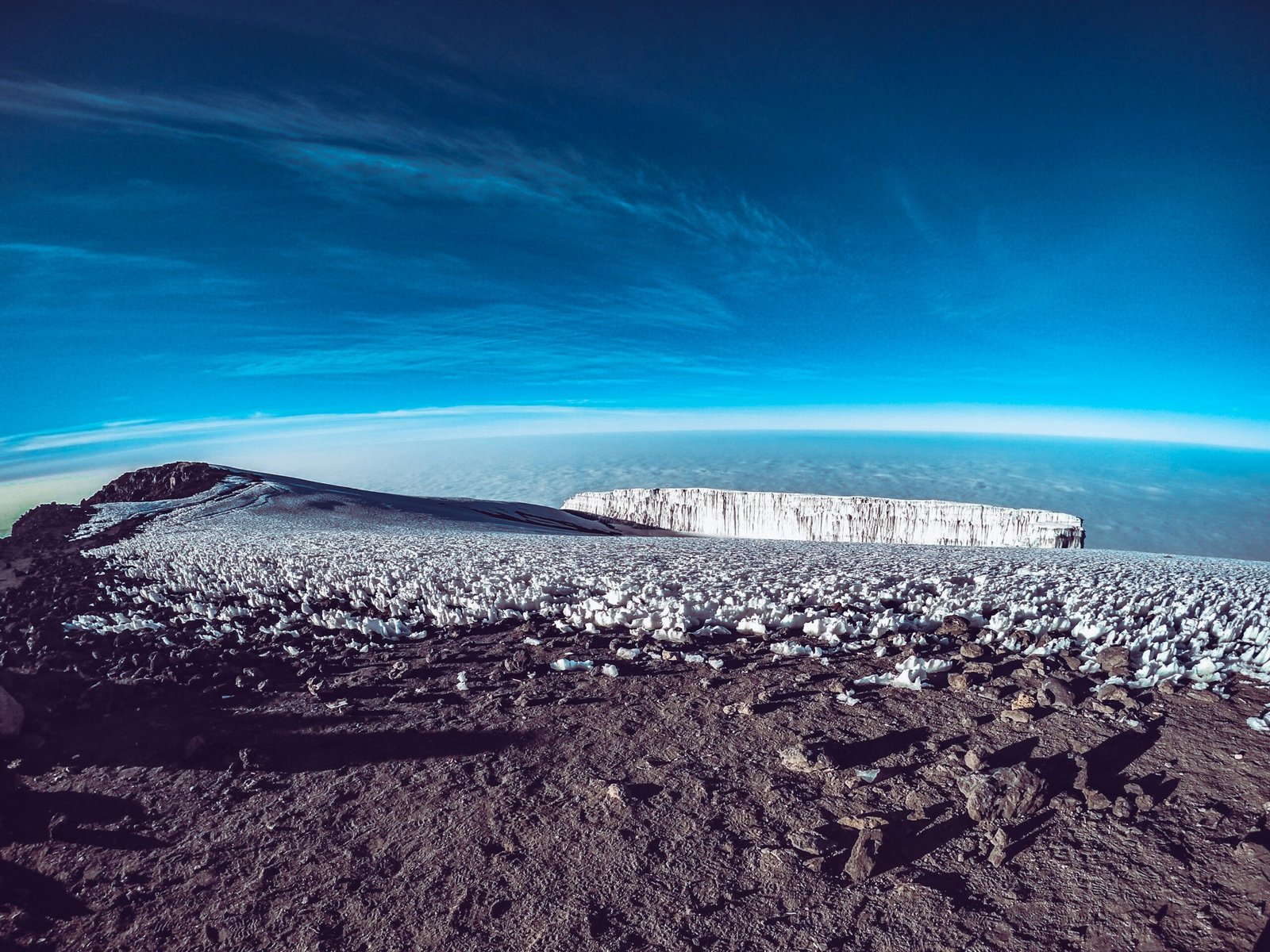
The Rongai Route is the only trail that starts on Kilimanjaro’s northern side.
As a result, this route feels drier, windier, and more remote than others.
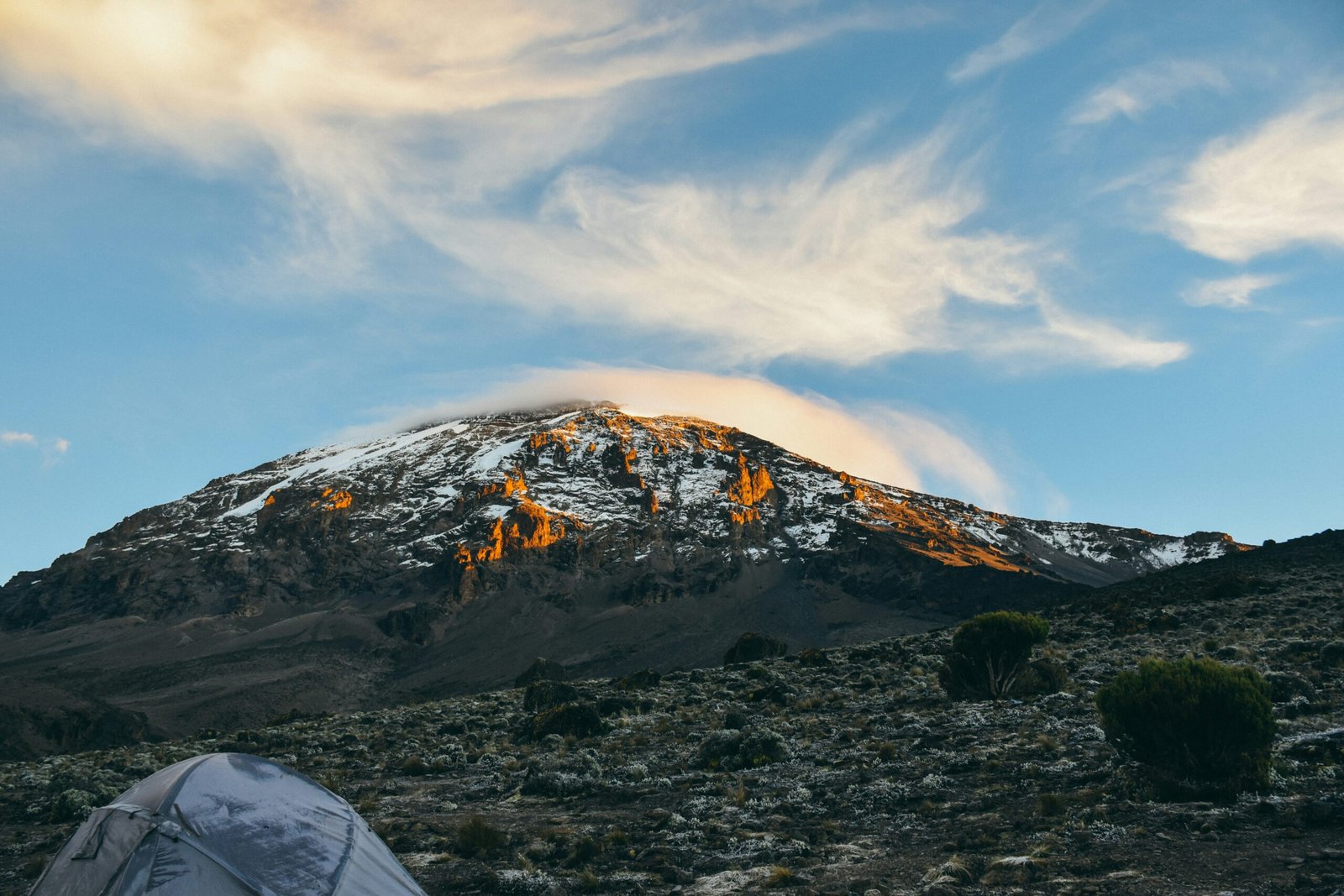
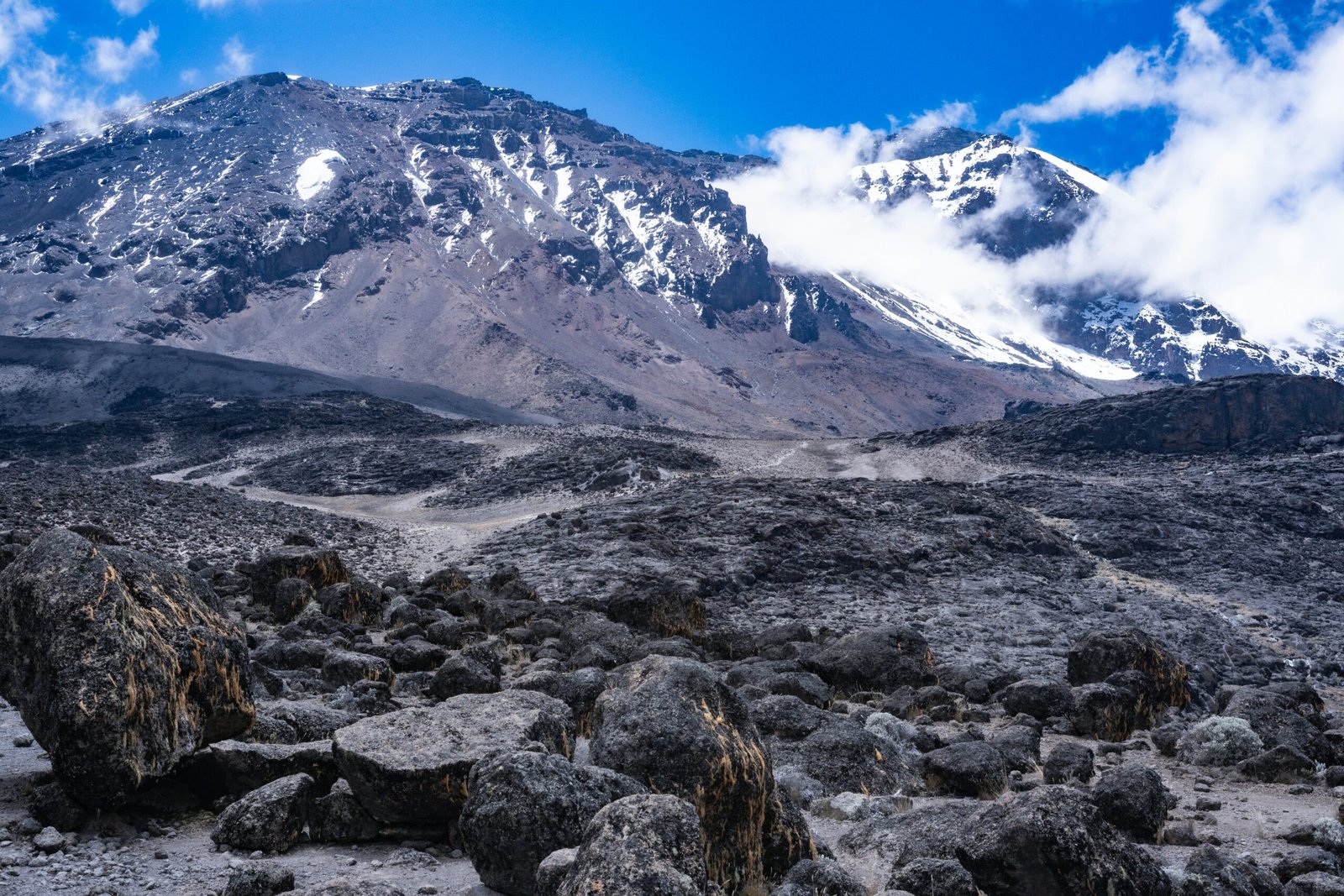
The landscape is open, with sparse vegetation and wide mountain views.
Meanwhile, views stretch across the Kenyan plains in the distance.
Because fewer trekkers choose this side, the route remains quiet and peaceful.
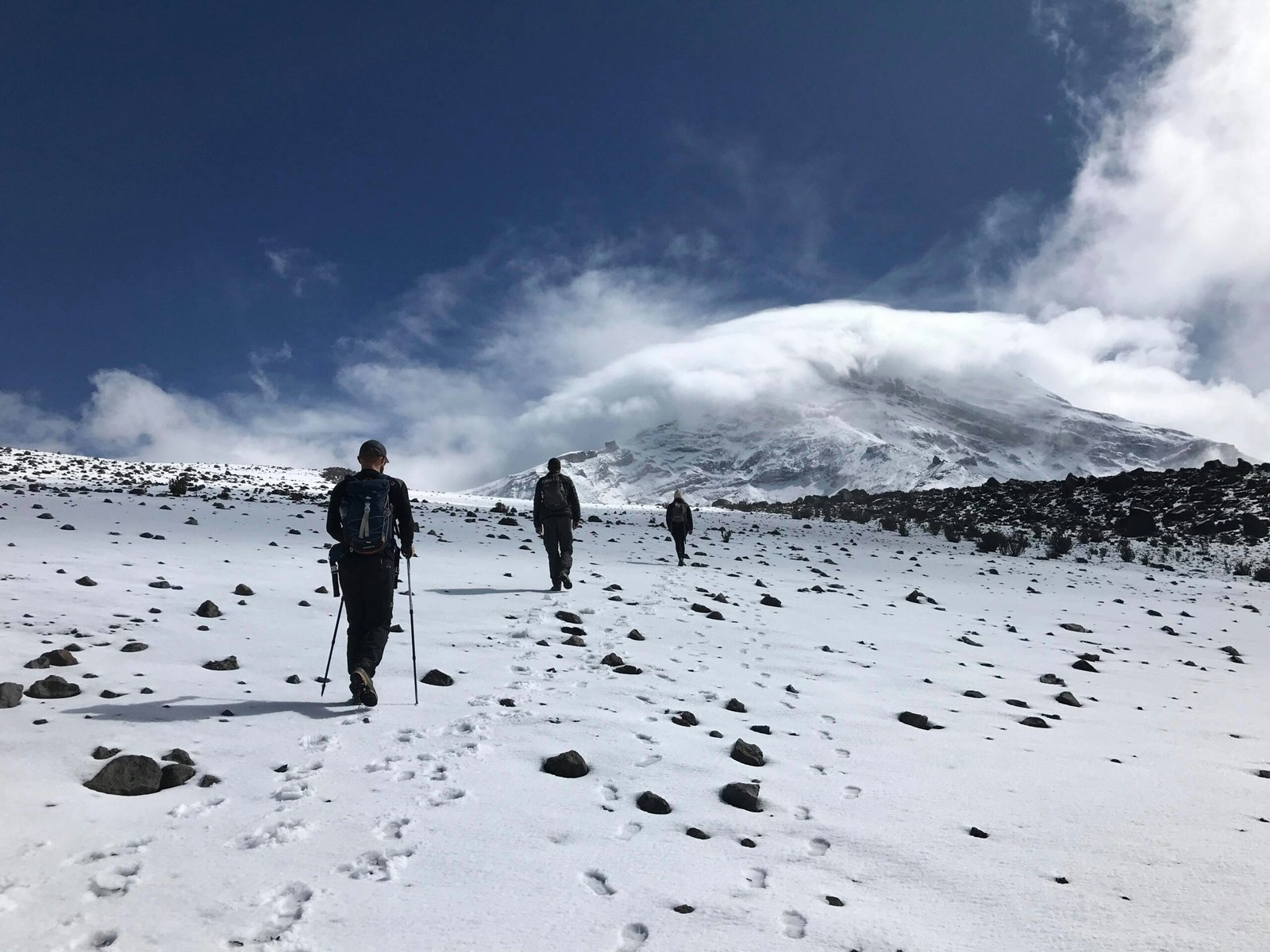
Over several days, the climb follows a steady and manageable ascent.
Gradually, the terrain becomes more alpine as altitude increases.
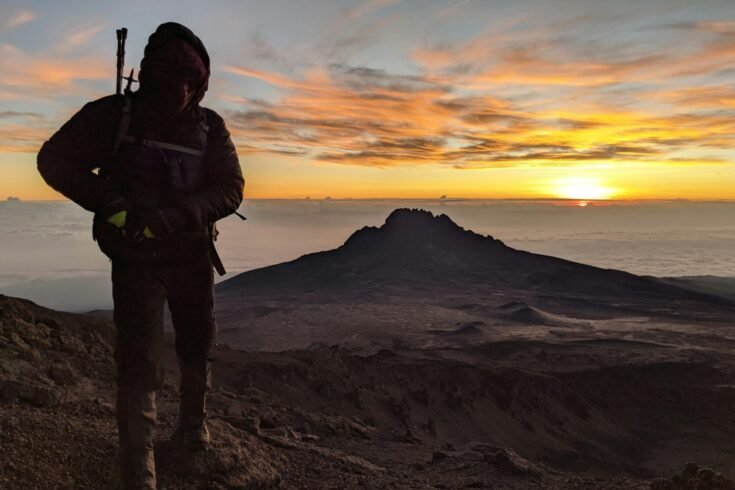
Eventually, the summit attempt begins during the night.
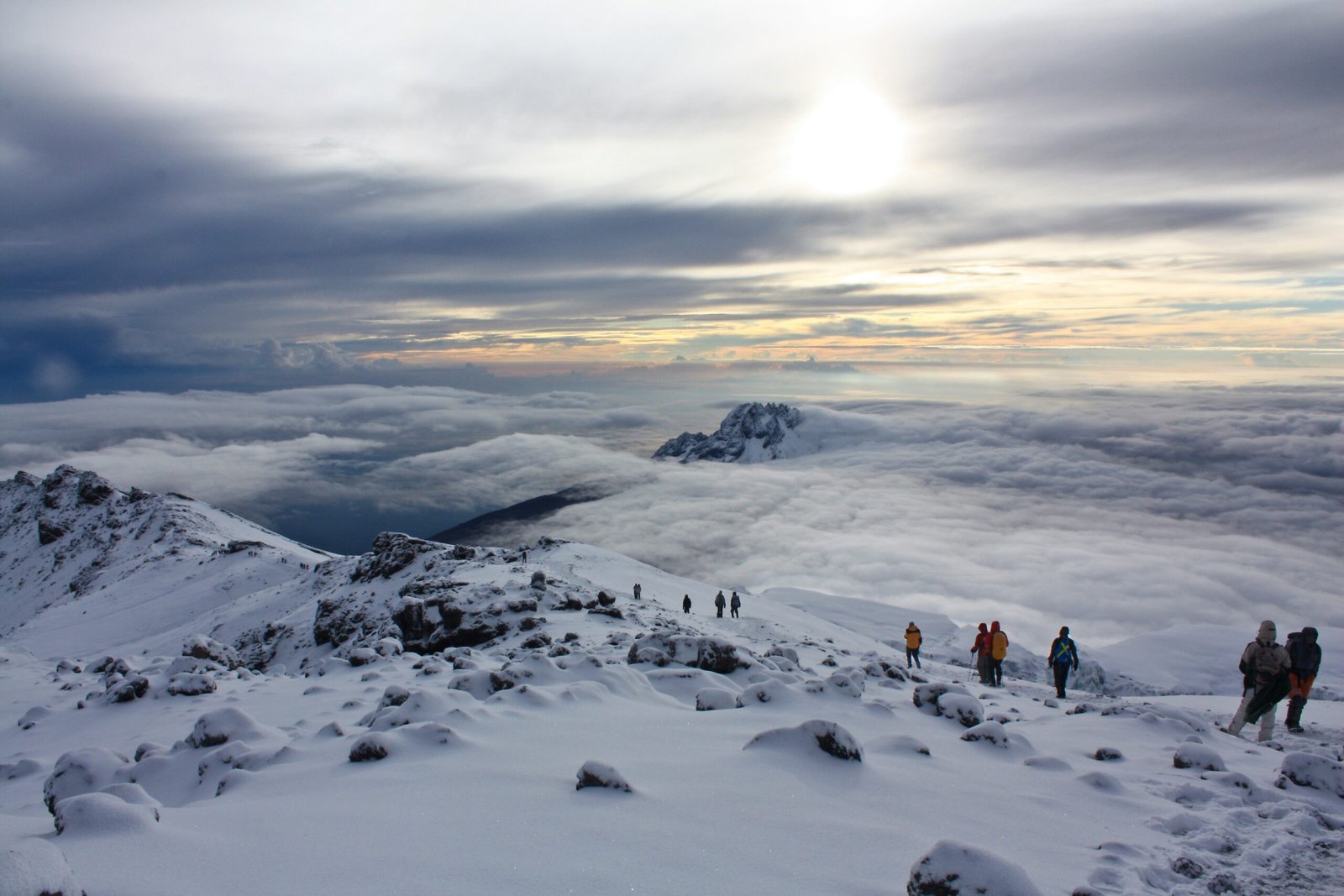
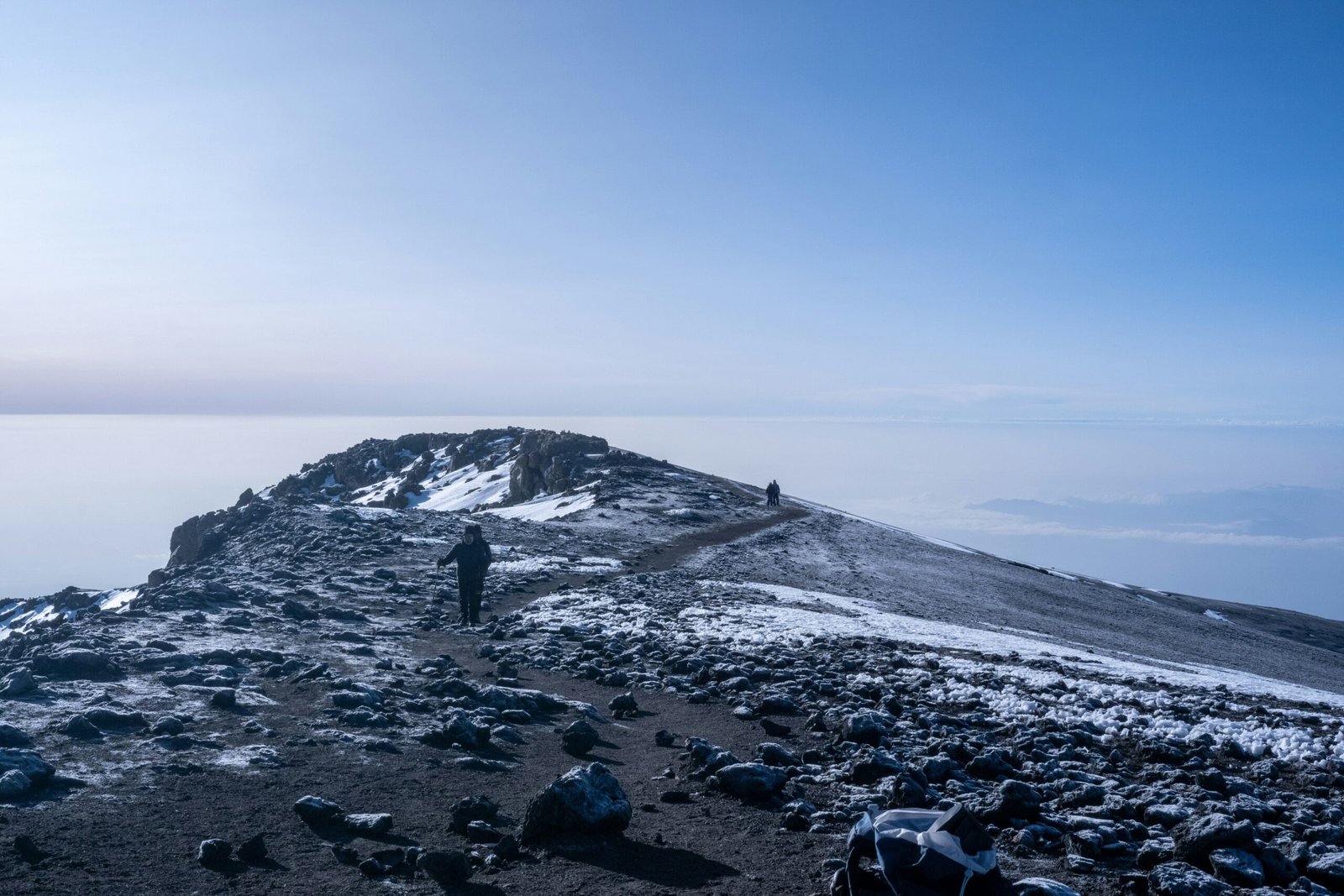
After reaching the crater rim, the scenery changes dramatically.
Then, the descent follows the Marangu Route on the southern side.
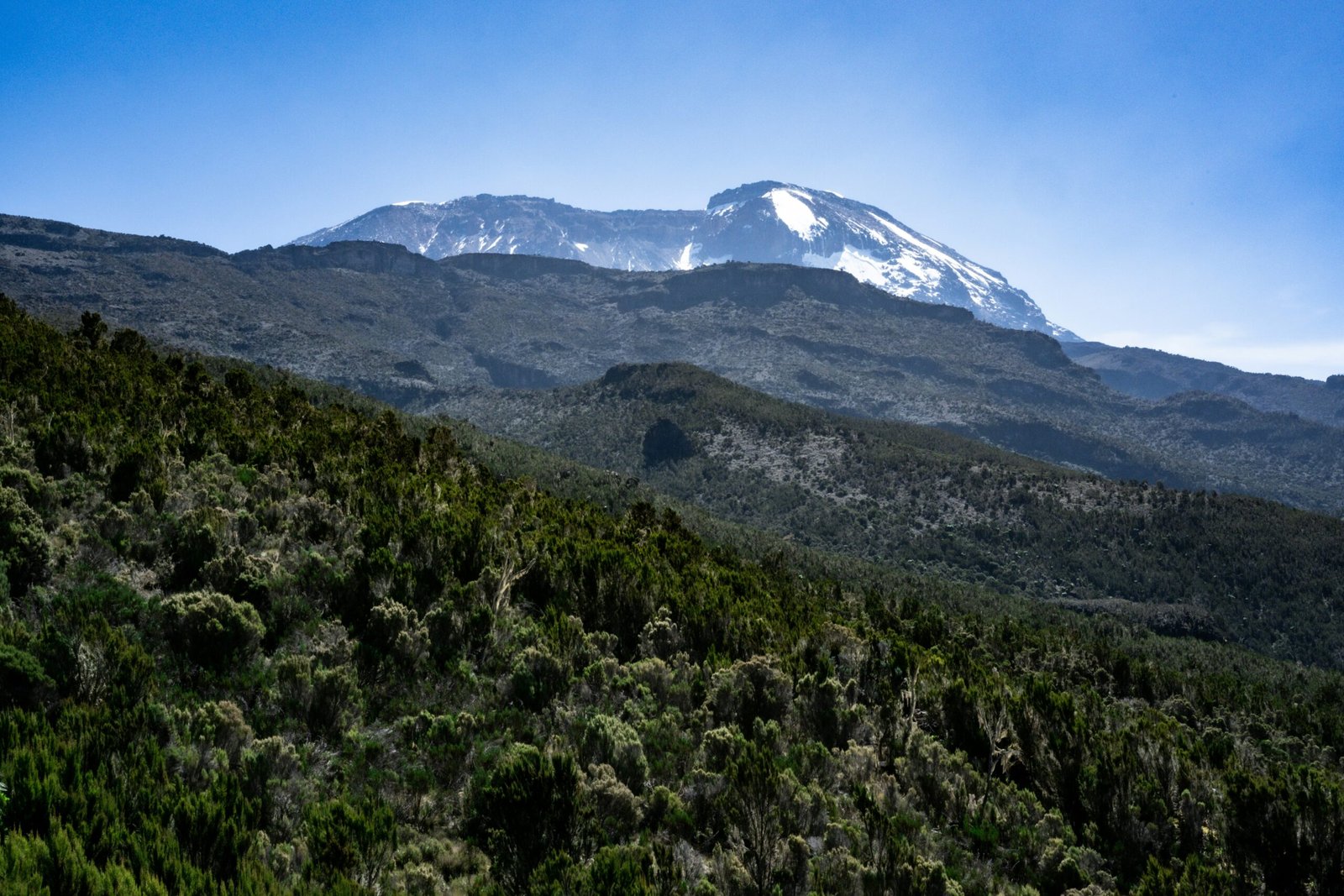
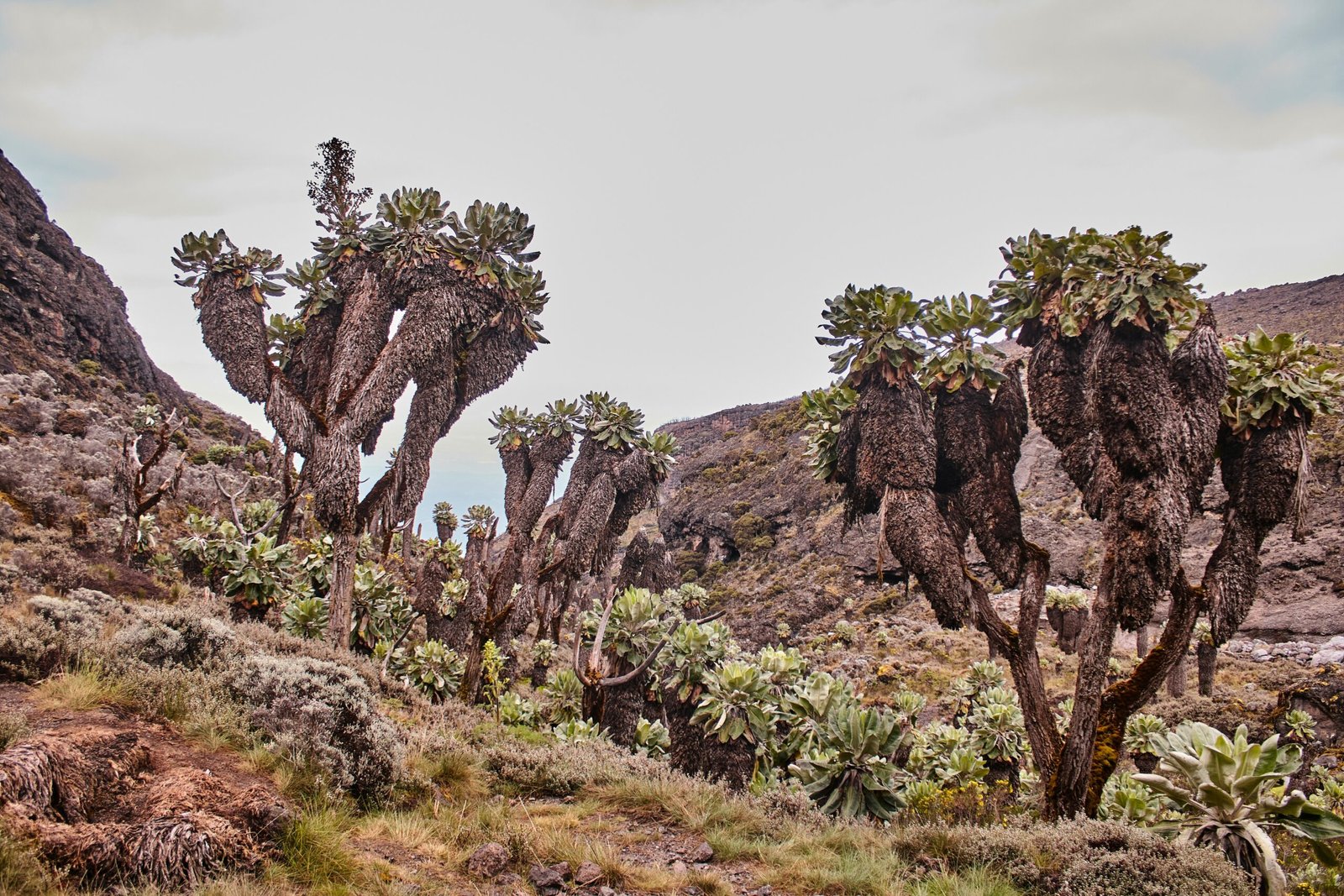
Here, richer vegetation and forest landscapes replace the dry slopes.
The standard climb takes six days from start to finish.
However, many trekkers add an extra acclimatization day.
This additional day helps the body adjust more comfortably.
Ultimately, it improves summit success and overall trekking experience.
Tour Overview
This route approaches Kilimanjaro from the remote northern side near the Kenyan border and descends on the more familiar southern slopes. It combines quiet wilderness, wide landscapes, and a strong summit strategy. The trip spans nine days in total, including travel days, acclimatization, and a rewarding summit push.
Tour Highlights
- Unique approach from Kilimanjaro’s quiet northern frontier near the Kenyan border
- Wide, open landscapes with long-distance views and drier alpine terrain
- Excellent acclimatization profile with option for an extra day
- Summit via the eastern crater rim with spectacular sunrise views
- High summit success rates compared to faster routes
- Ideal for trekkers seeking a less crowded, more remote experience
Tour Itinerary
Upon arrival at Kilimanjaro International Airport, your Tanzania Specialist guide will be waiting to welcome you. After a short transfer to your hotel, you can relax and recover from your journey. Later, you will meet with your mountain guide for a detailed briefing about the climb, covering packing tips, safety, what to expect on the trail, and how to prepare for high-altitude trekking. The rest of the day is free to unwind and get ready for the adventure ahead.
Accommodation: Panama Garden Resort Tanzania
Meals: Dinner
Activities: Airport transfer, briefing
Rongai Route (1/6) | Rongai Gate (1,950 m / 6,398 ft) → First Cave Camp (2,650 m / 8,694 ft)
Your guide will pick you up from the hotel this morning for the two-hour drive to Rongai Gate, the starting point of your climb. From here, the trail ascends gently through lush tropical forest filled with birdsong and the occasional glimpse of wildlife. After lunch on the trail, you continue toward First Cave Camp on the northern side of the mountain. This quieter route offers a peaceful introduction to Kilimanjaro’s landscapes and a good opportunity to begin acclimatizing.
Accommodation: First Cave Camp
Meals: Breakfast, Lunch, Dinner
Activities: Trekking, wildlife viewing
Rongai Route (2/6) | First Cave Camp (2,650 m / 8,694 ft) → Kikelewa Camp (3,660 m / 12,007 ft)
Today’s trek takes around 5–6 hours and begins with a steady climb toward the northern side of Kilimanjaro. As you gain elevation, you may start to feel the effects of thinner air while enjoying your first views of Mawenzi Peak, Kilimanjaro’s striking eastern summit. After a stop at the First and Second Caves for rest and lunch, the gradient eases and you continue into a sheltered valley, eventually reaching Kikelewa Camp. This peaceful setting is ideal for acclimatization and an overnight rest.
Accommodation: Kikelewa Camp
Meals: Breakfast, Lunch, Dinner
Activities: Trekking, acclimatization
Rongai Route (3/6) | Kikelewa Camp (3,660 m / 12,007 ft) → Mawenzi Tarn Camp (4,305 m / 13,238 ft)
This morning’s hike is steep but rewarding, offering increasingly impressive views as you approach the high alpine zone. After roughly 4–5 hours of trekking, you reach Mawenzi Tarn Camp, set just beneath the jagged Mawenzi summit. With the afternoon free to rest, this is a key day for acclimatization and adapting to the higher altitude. From camp, you can enjoy stunning panoramas of both Mawenzi and Kibo, Kilimanjaro’s twin volcanic peaks.
Accommodation: Mawenzi Tarn Camp
Meals: Breakfast, Lunch, Dinner
Activities: Trekking, acclimatization, mountain views
Rongai Route (4/6) | Mawenzi Tarn Camp (4,305 m / 13,238 ft) → Kibo Huts Camp (4,720 m / 15,485 ft)
Today’s trek takes you across the high-altitude alpine desert known as “the Saddle,” a vast lunar-like landscape stretching between Mawenzi and Kibo. The scenery is stark, silent, and impressive, offering wide-open views all the way to the Kenyan plains. After 5–6 hours of hiking, you arrive at Kibo Huts Camp, located directly below the summit of Kilimanjaro. The afternoon is reserved for rest and preparation, as tomorrow marks the final push to the Roof of Africa.
Accommodation: Kibo Huts Camp
Meals: Breakfast, Lunch, Dinner
Activities: Trekking, acclimatization
Rongai Route (5/6) | Kibo Huts Camp (4,720 m / 15,485 ft) → Uhuru Peak (5,895 m / 19,340 ft) → Horombo Huts (3,720 m / 12,204 ft)
Just before midnight, you begin the final ascent toward the summit of Kilimanjaro. Guided by headlamp, the trail climbs steeply toward Gilman’s Point on the crater rim. From here, the final approach to Uhuru Peak is more gradual, and as the sun rises over the African horizon, you reach the highest point on the continent—an unforgettable reward for your effort. After celebrating at the summit, you descend back to Kibo Huts for a meal, then continue the long descent to Horombo Huts for a much-needed rest.
Accommodation: Horombo Huts
Meals: Breakfast, Lunch, Dinner
Activities: Summit ascent, descent trekking
Rongai Route (6/6) | Horombo Huts (3,720 m / 12,204 ft) → Marangu Gate (1,860 m / 6,102 ft) → Hotel
Your final day on the mountain takes you down through the lush rainforest that surrounds the lower slopes of Kilimanjaro. The descent to Marangu Gate takes around 5–6 hours and offers a gentle return to thicker air, greenery, and warmth. At the park gate, the group gathers to congratulate one another and celebrate this remarkable achievement. Afterwards, your driver transfers you back to the hotel for a well-deserved shower, dinner, and rest.
Accommodation: Hotel in Arusha or Moshi
Meals: Breakfast, Lunch, Dinner
Activities: Trekking, transfer
After an unforgettable Kilimanjaro adventure, it’s time to say goodbye. Enjoy your final hours in Tanzania before your driver collects you and transfers you to Kilimanjaro International Airport for your flight home. If you’re not quite ready for the journey to end, you can easily extend your stay with a safari or a relaxing beach escape — the perfect reward after conquering Africa’s highest peak.
Meals: Breakfast
Activities: Airport transfer
Inclusions
Cost Includes
- Park fees.
- 8 days.
- Pickup and transfer airport.
- Porters who carry your luggage.
- Private cook speaking fluently English.
- Private guide speaking fluently English.
- Chairs and tables for breakfast, lunch and dinner.
- High quality tents (including dinner-tent).
- Portable toilet.
- Rescue fee (up to 11.483 feet above sea level by car).
Cost Excludes
- Visas.
- Travel insurance.
- International flights (can be booked for you on request).
- Accommodation on day of arrival and departure.
- Tips for guides, porters and cooks.
FAQs
Mount Kilimanjaro is located in northern Tanzania, near the town of Moshi. It is Africa’s highest mountain and the tallest free-standing mountain in the world.
Mount Kilimanjaro rises to 5,895 meters (19,341 feet) above sea level at Uhuru Peak. Reaching this altitude makes acclimatization and pacing extremely important
Kilimanjaro is a non-technical trek, meaning no climbing skills are required. However, the altitude makes it physically demanding, and good fitness and mental preparation are essential.
Most routes take 6 to 9 days, including ascent and descent. Longer routes allow better acclimatization and significantly improve summit success rates.
The best months are January to March and June to October, when conditions are generally drier and visibility is good. April, May, and November are wetter and less popular.
Popular routes include Machame, Lemosho, Marangu, Rongai, and Northern Circuit. The best route depends on your fitness level, available time, and preference for scenery and crowd levels.
Yes. All Kilimanjaro climbs must be organized through a licensed operator and led by certified guides. Independent climbing is not permitted.
Accommodation depends on the route:
- Mountain huts on the Marangu Route
- Tented camps on all other routes
Meals are prepared by a professional mountain crew.
Yes. Altitude sickness is the main challenge on Kilimanjaro. Choosing a longer route, walking slowly, staying hydrated, and following your guide’s advice greatly reduce the risk.
Key items include:
- Warm layered clothing for cold summit temperatures
- Waterproof jacket and trousers
- Sturdy hiking boots
- Headlamp for summit night
- Trekking poles
- High-quality sleeping bag
A detailed packing list is provided before departure.
Temperatures at the summit can drop to -10°C to -20°C (14°F to -4°F), especially at night. Proper cold-weather gear is essential.
Summit night is the longest and most challenging part of the climb. The ascent begins around midnight, allowing climbers to reach Uhuru Peak at sunrise and descend the same day.
Success rates vary by route and duration. Longer routes of 7–9 days typically have much higher success rates than shorter itineraries.
Yes, Kilimanjaro is suitable for determined beginners with good fitness. Prior hiking experience is helpful but not mandatory, as long as proper preparation is done.
Absolutely. Many travelers combine a Kilimanjaro climb with a Tanzania safari or a Zanzibar beach extension, creating a well-rounded adventure and relaxation itinerary.